

How Arcade Machines Are Tested Before Shipment
Buying commercial arcade machines is not only about choosing a good-looking cabinet. For distributors, arcade operators, amusement parks, and game room businesses, the real question is simple: Will the machines work reliably after they arrive at the destination?
At WIDIN, we believe quality control should happen before a machine leaves the factory, not after a customer receives it.
As an arcade machine manufacturer and direct factory in Guangzhou, China, we test commercial arcade machines through multiple stages before packing and shipment. Our process covers electrical systems, game software, mechanical components, lighting, payment systems, player controls, cabinet assembly, and final operation.
The purpose is not to make a machine look perfect for a factory video. It is to make sure the equipment is ready for real commercial use.
Why Pre-Shipment Testing Matters for Arcade Machine Buyers
For an overseas buyer, a quality problem can become much more expensive after shipment.
A loose connector may mean several hours of troubleshooting. A software issue can delay installation. Poor cabinet assembly can result in transportation damage. An unstable payment system can directly affect revenue in an arcade or amusement venue.
This is why professional arcade machine quality control should cover more than appearance inspection.
Before shipment, our production and QC teams check the machine as a complete operating system.
We pay attention to questions such as:
Does the machine start normally?
Does the game software run correctly?
Are all buttons, joysticks, sensors, and controls responsive?
Does the display work continuously without abnormal interruption?
Are the lighting effects and sound systems functioning correctly?
Is the payment system working properly?
Are doors, locks, panels, and moving parts securely assembled?
Can the machine operate continuously under normal commercial conditions?
These details may seem small individually. In a commercial arcade, they can make a major difference.
Step 1: Electrical and Hardware Inspection
The first stage focuses on the internal hardware and electrical system.
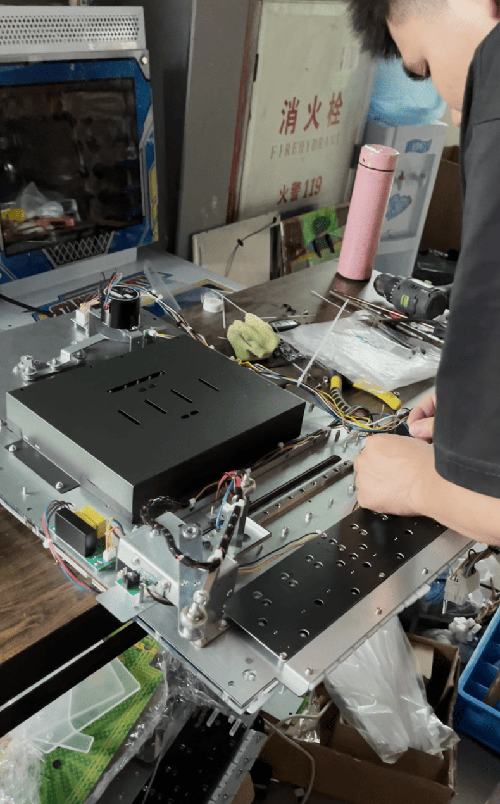
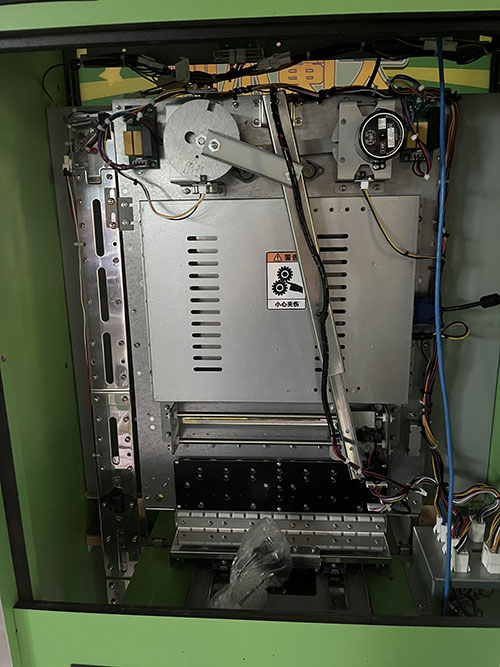
Our technicians inspect the main power supply, wiring, connectors, switches, control boards, displays, speakers, lighting components, motors, fans, and other electrical parts according to the machine configuration.
We also check whether the wiring is properly connected and organized.
For customized arcade machines, this step becomes even more important because OEM and ODM projects may involve different displays, control systems, payment methods, lighting layouts, game boards, and additional functions.
A machine should not only power on. Its components need to work together as a complete system.
Step 2: Game Software and Control Testing
Hardware is only part of an arcade machine.
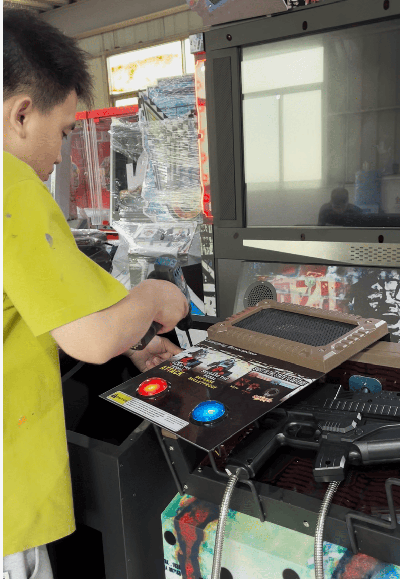
The software and control system directly affect the player's experience, so our technicians test the actual gameplay before shipment.
Depending on the machine type, testing can include:
Racing machines: steering, pedals, gear controls, force feedback, displays, game selection, and multiplayer functions.
Basketball arcade machines: scoring sensors, ball detection, game timing, display feedback, sound effects, and scoring accuracy.
Boxing machines: punching sensor response, scoring system, display, game settings, lighting, and payment functions.
Claw machines: joystick control, claw movement, motor operation, prize outlet, lighting, game settings, and payment system.
Fishing and shooting machines: buttons, joysticks, screens, game software, sound, lighting, and multiplayer functions.
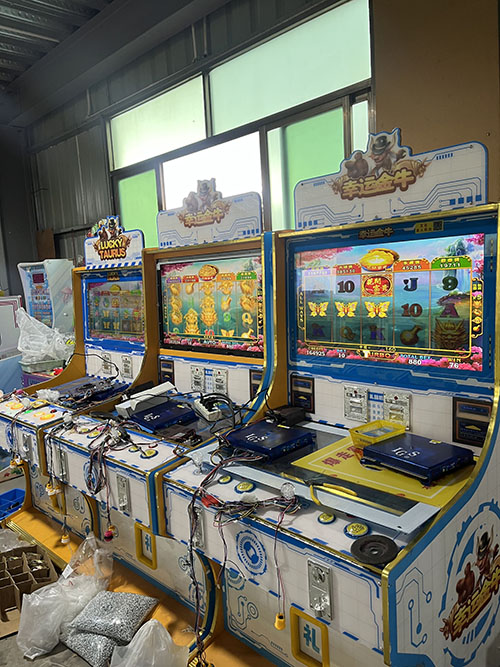
This is particularly important for buyers ordering multiple machines. A commercial arcade needs consistent operation across the entire batch, rather than one machine working perfectly while another behaves differently.
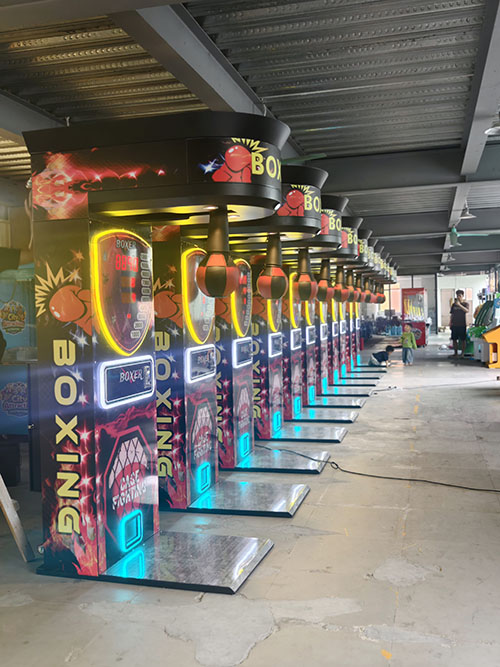
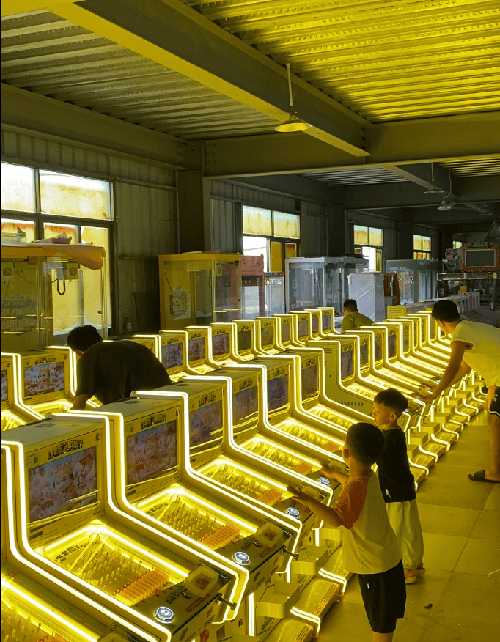
Step 3: Mechanical and Cabinet Inspection
After electrical and software testing, we inspect the physical structure.
The cabinet needs to be stable, properly assembled, and suitable for transportation and commercial use.
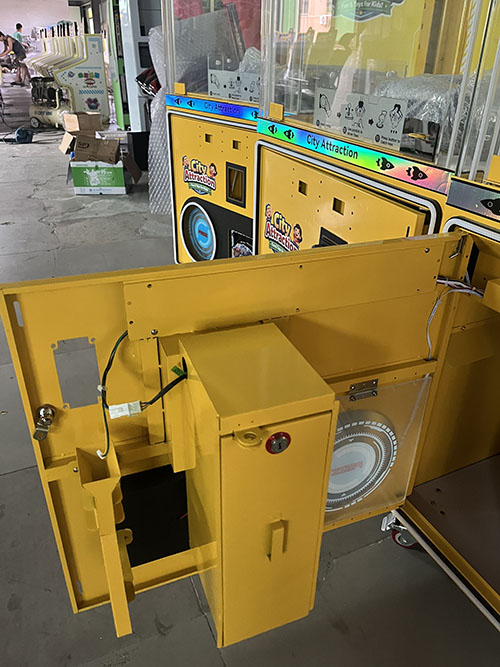
Our team checks panels, screws, doors, hinges, locks, handles, brackets, wheels, seats, protective covers, and other structural components according to the machine design.
For machines containing moving mechanisms, we also check their operation repeatedly.
The objective is straightforward: the machine should not develop avoidable problems simply because a component was not properly installed or tightened during production.
For OEM projects, structural inspection also helps confirm that the finished machine matches the approved design, dimensions, materials, colors, graphics, and functional requirements.
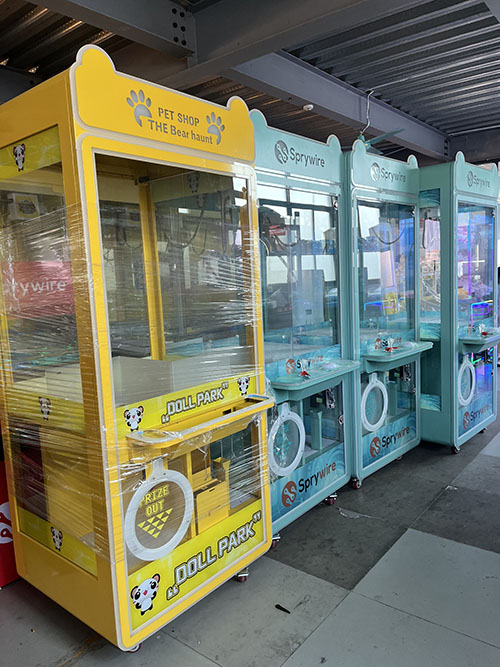
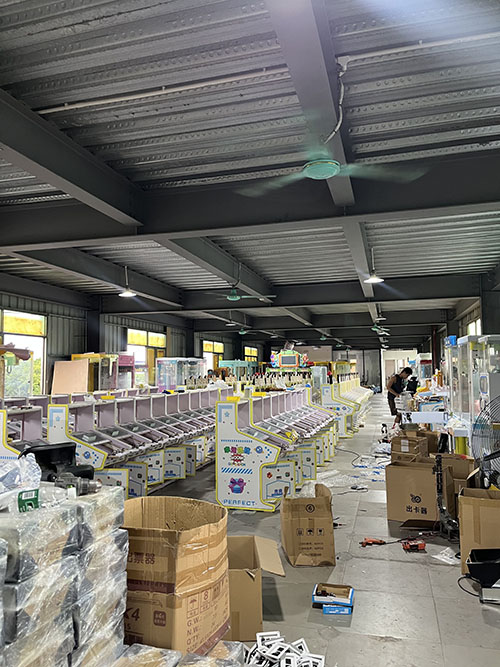
Step 4: Continuous Running Test
One of the most important stages is the operating test.
A machine that starts normally for five minutes does not necessarily mean it is ready for shipment.
Our team runs the machine and observes its operation to identify abnormal heating, display problems, sound issues, software errors, unstable controls, lighting failures, or other problems that may appear during continuous operation.
This is especially useful for machines designed for high-frequency commercial environments.
Arcade operators may run equipment for many hours every day. Therefore, our testing approach focuses on actual operating conditions rather than simply checking whether the power button works.
If an abnormality is found, the machine is returned to the relevant production or technical team for adjustment and then tested again.
Step 5: Appearance and Assembly Quality Check
Once the machine passes functional testing, we inspect its external condition.
Our QC team checks:
Cabinet surface and paint finish
Printed graphics and decals
Screen installation
Lighting installation
Panel alignment
Door and lock condition
Screws and exposed fasteners
Protective films
Product labels
Accessories and spare parts
For customized orders, the inspection also compares the finished product with the customer's confirmed artwork and specifications.
This is where production experience matters.
A machine can be technically functional while still looking unfinished. For a distributor or arcade operator, that is not good enough. The equipment represents their investment and will be visible to their customers every day.
Step 6: Final QC Before Packing
The final inspection is performed before the machine enters the packing area.
At this stage, we treat the machine as a finished export product rather than simply another item coming off the production line.
Our team performs a final confirmation of the major functions, accessories, appearance, and configuration.
If the order contains multiple units, the machines are checked according to the production requirements and the confirmed configuration.
This stage is particularly valuable for international B2B orders because the factory may be thousands of kilometers away from the buyer.
Finding and solving a problem in Guangzhou is far easier than asking a distributor to troubleshoot the same issue after the container has arrived.
Testing Is Only One Part of Our Quality Control
For a professional arcade machine factory, testing should not exist as an isolated department.
Quality begins much earlier.
It starts with product development, component selection, electrical design, cabinet construction, software integration, assembly, and production management.
WIDIN combines R&D, manufacturing, wholesale supply, OEM/ODM customization, export packaging, and after-sales support under one factory operation.
This direct-factory model gives B2B buyers a clearer communication chain.
Instead of dealing with several middlemen, buyers can communicate directly with the production and technical teams about machine specifications, game functions, appearance customization, payment systems, packaging, spare parts, and after-sales requirements.
That can reduce unnecessary communication costs and make customized projects easier to manage.
Export Packaging: Protecting the Machine After Testing
Passing the factory test is not the end of quality control.
The machine still has to survive transportation.
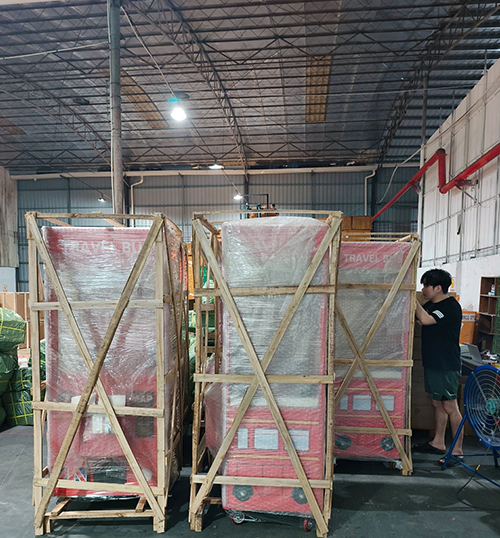
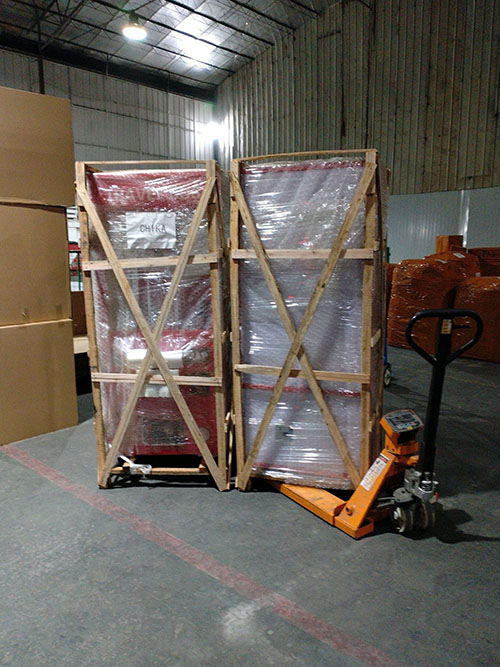
Arcade equipment can travel by sea for weeks before reaching the customer's warehouse. During handling and transportation, vibration, impact, moisture, and repeated loading can affect the equipment.
For this reason, export packaging is considered part of the delivery process.
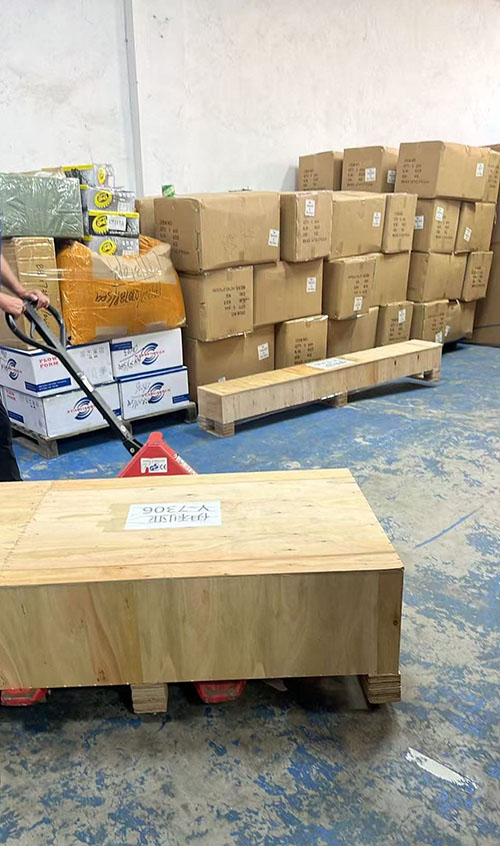
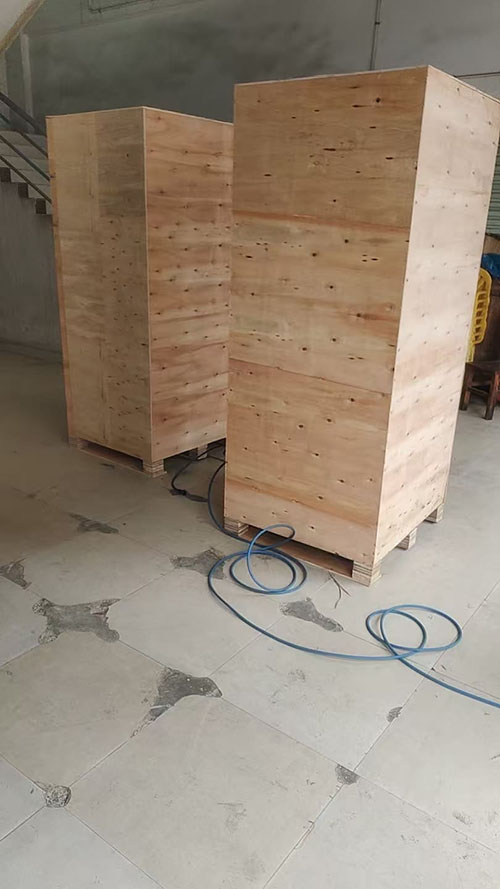
Depending on the machine and order requirements, we use suitable protective materials and export packaging solutions to reduce transportation risks.
For larger commercial arcade machines, packaging requirements are discussed according to the machine structure, shipping method, destination, and the customer's logistics arrangements.
The goal is simple: a machine that passes inspection should arrive in a condition that allows the customer to install and use it with confidence.
After-Sales Support Starts Before Shipment
A reliable supplier should not disappear after receiving the balance payment.
Before shipment, we confirm the machine configuration, accessories, spare parts, operating requirements, and other necessary information with the customer.
For standard commercial arcade machines, we provide a one-year warranty. For vulnerable components, spare parts can also be prepared according to the customer's requirements, helping distributors reduce downtime and simplify future maintenance.
When technical questions occur, our team can provide remote assistance and troubleshooting support.
This is particularly important for B2B buyers who may operate multiple machines or distribute equipment to their own customers.
From Factory Testing to Long-Term Partnership
A professional arcade machine manufacturer should be able to answer more than “Yes, we can make it.”
Buyers need to know how the machine is developed, how it is manufactured, how it is tested, how it is packed, and what happens if support is needed after delivery.
That is the reason we make our production and testing process visible.
WIDIN is not only a supplier of arcade cabinets. We operate as a direct manufacturing partner for distributors, arcade operators, amusement businesses, and buyers looking for commercial arcade machines, OEM/ODM arcade equipment, and customized entertainment machines.
Our production process combines factory manufacturing, technical development, quality inspection, export experience, and after-sales support.
Before an arcade machine leaves our factory, it has to work. Before it reaches your business, it also needs to be properly prepared for transportation and installation.
If you are sourcing arcade machines for a new arcade, amusement center, distributor business, or OEM project, send us your requirements.
Tell us what machines you need, your target market, quantity, customization requirements, and shipping destination. Our team can recommend a suitable configuration and provide a factory-based quotation for your project.