

Arcade Machine Manufacturer vs Trading Company | WIDIN
Two quotations land in your inbox in the same week. One comes from a factory in Guangzhou, or at least the email signature says so. The other comes from a trading company, also in Guangzhou. The factory quote is about 12% lower. The trading company replies faster, writes better English, and offers to mix claw machines, basketball games, and kiddie rides into one container.
Most buyers sit between these two emails for days. Both suppliers sound professional. Both sent nice photos. And the stakes are real: a container of arcade machines is not a trial order you can return.
We run a factory, so you already know which side of this we sit on. But we also watch buyers make this decision every month, and we have seen both choices go well and badly. Here is what actually separates the two, and how to decide for your situation.
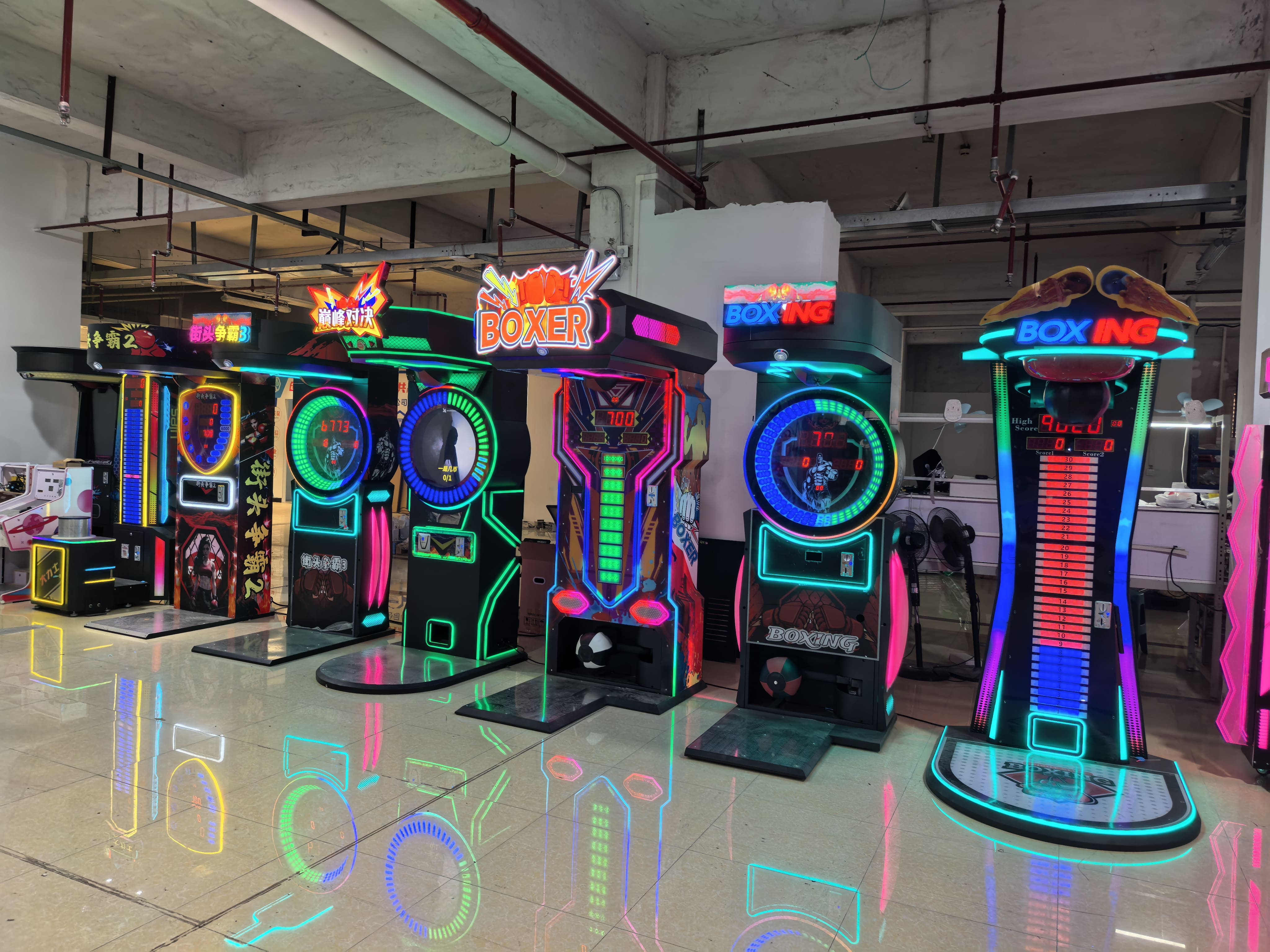
What Is the Actual Difference?
On paper, it is simple. A manufacturer owns the production line. Workers cut the metal, assemble the cabinets, wire the harnesses, and test the machines under one roof. The quote you receive is built up from real costs: materials, labour, margin.
A trading company owns no production line. It buys finished machines from factories, adds its margin on top, and sells the bundle to you. What you are paying extra for is a service layer: sourcing, quality checking, consolidation, translation, paperwork.
Here is what the paperwork will not tell you. A large share of "factories" on B2B platforms are trading companies with factory-sounding names. And some genuine factories have such weak English that their emails look unprofessional, so buyers assume they are middlemen and walk away. The labels are unreliable. The behaviour is not, and that is what the checklist later in this article is for.
Where a Manufacturer Wins
Price. Remove one layer of margin and the same machine gets cheaper, typically by 10 to 20% depending on the product. On a full container, that difference pays for your freight.
Customization. When you want your logo on the marquee, a different cabinet colour, or a game package changed, the factory does it on the line. A trading company has to carry your request back to a factory and negotiate it, which adds time and usually adds cost.
Spare parts. Machines break. Joysticks, buttons, power supplies, and claw mechanisms are wear items no matter whose cabinet you buy. A factory pulls parts from the same production run and ships them in days. A trading company asks the factory, waits, then forwards, and your machine sits dark in the meantime.
Accountability. When a fault shows up in a batch, a factory can trace it to a workstation and fix the process. A trading company can only pass the complaint along. The good ones push hard on your behalf. The bad ones disappear into the group chat.
Where a Trading Company Wins
This is the part most factory-written comparisons skip, and skipping it makes those articles worthless. Trading companies exist because they solve real problems.
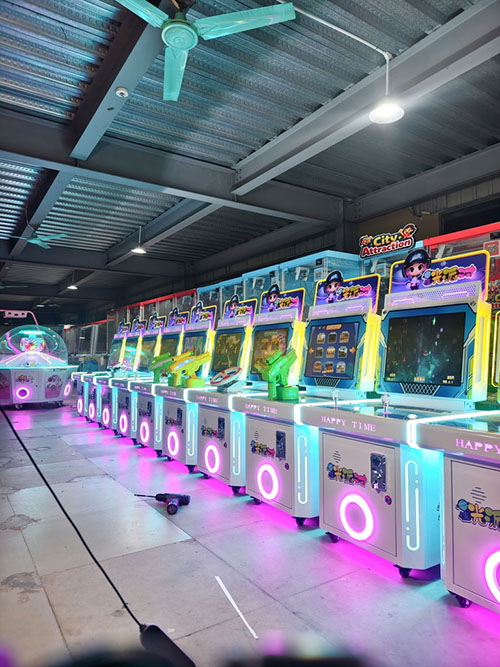
One container, many categories. A small arcade or a family entertainment centre rarely wants forty units of one model. You want a few claw machines, a couple of boxing machines, some kiddie rides, maybe a basketball game. A single factory can only fill part of that container from its own lines. A trading company consolidates from several and books one shipment.
Small orders. Factories set minimum order quantities because a production changeover costs money. If you need two machines to test a new location, some factories will not take the order. Trading companies will.
Communication. Many trading companies are built around English-speaking sales teams that answer within hours and manage the whole process for you. If you are buying across time zones for the first time, that layer is worth something. Maybe not 15% of the order, but something.
Flexibility in peak season. When one factory's line is booked out before a holiday, a trader can often source elsewhere. A factory can only tell you the lead time got longer.
Five Ways to Tell If You Are Talking to a Real Factory
Whatever you decide, verify it. These five checks take less than a week and will save you from the most expensive mistake in this industry, which is paying factory prices to a middleman and getting neither the price nor the service.
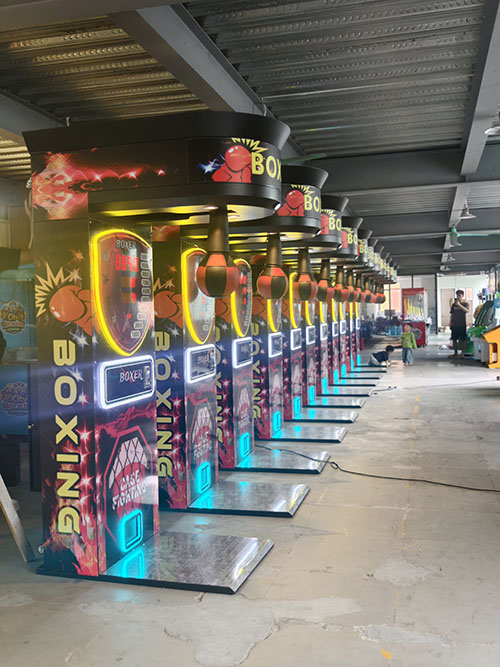
Ask for a live video walkthrough of the workshop. Not the polished promotional video, a scheduled call where someone walks the floor with a phone. You want to see assembly lines, half-finished cabinets, workers. A trading company will make excuses or show you a warehouse of boxed goods.
Check the business licence. Ask for it and look at the registered business scope. Manufacturing licences include production activities. A company whose scope only lists "trading" and "import and export" has told you what it is.
Ask technical questions and time the answers. Ask about the steel thickness of the cabinet, the power supply brand, the screen specification, and what fuse protects the coin mechanism. A factory answers these from knowledge, the same day. A trader forwards the questions and comes back in three days with a vague reply.
Compare prices across several suppliers. If a "factory" quotes below every genuine factory you have contacted, something is wrong. Real factories know their floor price. Desperate middlemen undercut it to win the order and recover the loss elsewhere.
Ask which models they build themselves. Then ask which they source outside. Every honest factory in this industry outsources something. A supplier who claims to manufacture everything from claw machines to vending machines is almost certainly a trader with a catalogue.
When a Trading Company Is Actually the Better Choice
Honest answer: sometimes it is.
Choose the trading company when your order is small and mixed, when you need someone to manage several suppliers for you, or when your own time and English are limited enough that the service layer genuinely earns its margin. A first-time buyer opening a 60-square-metre game corner with eight different machines may be better served by a good trader than by sweating through video calls with five factories.
And a good trading company beats a bad factory every time. Bad factories exist. Slow replies, sloppy packing, missed delivery dates. No amount of price advantage compensates for a supplier who ships your container with untested machines.
The point is not that one type is superior. The point is to know which one you are dealing with, and to pay for the service layer only when you actually need it.
Four Questions to Settle Before You Send the Deposit
Who owns the production line, and can you prove it? Run the video walkthrough and the licence check above.
How do spare parts ship, and how fast? Get the answer in writing: which parts, what cost, what delivery time. This single question sorts reliable suppliers from the rest faster than anything else.
Who performs the customization you asked for? If you need your branding, confirm the factory itself does the artwork and production, not a third party you have never spoken to.
What happens when something arrives broken? You want a named person, a response time, and a remedy in the contract, not a promise made over chat.
Frequently Asked Questions
Is it cheaper to buy arcade machines from a manufacturer?
Usually yes, typically 10 to 20% for the same specification, because no middleman margin is added. Always compare identical configurations, though. A factory quote that looks expensive may simply include better screens or power supplies.
How do I verify a factory in China before ordering?
Combine a live video workshop tour, the business licence with manufacturing scope, third-party inspection (SGS, TÜV or a local agent), and a technical question test. No single check is enough; together they take under a week.
Can I mix different machine types in one container?
Yes. Factories routinely mix their own models and often allow a limited share of outsourced items in the same container. Trading companies specialize in multi-supplier consolidation. Ask your supplier for a container loading plan before paying.
What is a typical MOQ for arcade machine factories?
Most Chinese arcade machine factories accept 1 to 5 units per model for standard machines, especially for mixed containers. Customized OEM work usually carries a higher minimum, because tooling and artwork changes only pay off above certain quantities.
Who handles shipping and customs clearance?
Most Chinese suppliers quote FOB or CIF, and you handle import clearance through your own freight forwarder. Many trading companies offer DDP door-to-door options. Whatever you choose, confirm it in the proforma invoice, not in the chat window.
Full disclosure: WIDIN Tech is a factory in Guangzhou, so yes, we would like your order. But if this article taught you to verify any supplier before wiring a deposit, it has done its job, even if you end up buying elsewhere. If you want to see a real production line, schedule a live video call with our workshop, or contact Guangzhou Widin Animation Technology Co., Ltd. for a quotation, with the factory checks above already answered in writing. We reply within one business day.